

Whoa!
I started using Rabby wallet last year after a friend recommended it. At first it felt refreshingly small and focused compared with the usual bloated extensions. My gut said this might be more secure, especially for people who jump between chains a lot. Initially I thought it was simply another MetaMask alternative, but then I dug into the permissions model, the transaction signing UX, and the way it isolates dapp sessions—and that changed how I weighed trust against convenience.
Wow!
Here’s the thing. The extension model for wallets is messy by design because browsers weren’t built for key custody. Rabby takes a pragmatic approach: it separates sessions and shows richer transaction details so you can actually see what you’re approving. I’m biased—I’ve been burned before by vague “Approve” popups—so this clarity matters to me in a way that goes beyond marketing copy. On the other hand, extensions are still single points of failure if a user gets phished or the browser itself is compromised, so it isn’t a silver bullet.
Really?
The download and install path matters more than you think. Always verify sources, checksum signatures when available, and double-check the publisher name listed in the extension store. Something felt off the first time I saw a copycat listing with a tiny difference in the title—small detail, big risk. Actually, wait—let me rephrase that: the ecosystem invites impersonation, so vigilance must become second nature for any DeFi user.
Hmm…
Rabby’s UI gives you more context when signing; that reduces accidental approvals. The extension shows exact token amounts, destination addresses, and gas breakdowns in a way that a lot of other wallets hide or bury. This is not just cosmetic—it’s protective, because better information changes user behavior, and behavior is where most losses happen. For people who trade NFTs or interact with yield farms, those extra prompts are the difference between a small mistake and a catastrophic one, in my experience.
Here’s the thing.
Installation is straightforward if you follow a checklist: get the extension from the verified source, set up a strong password, back up your seed phrase offline, and connect hardware wallets for large balances when possible. I prefer keeping a hot wallet for daily use and moving larger funds to a hardware wallet that Rabby can interface with for signing—this hybrid approach is very very practical. If you do only one thing: never paste your seed phrase into a webpage; no legit support person will ask for it. On balance, Rabby supports hardware integrations well, though there are occasional quirks across different browser updates that require patience.
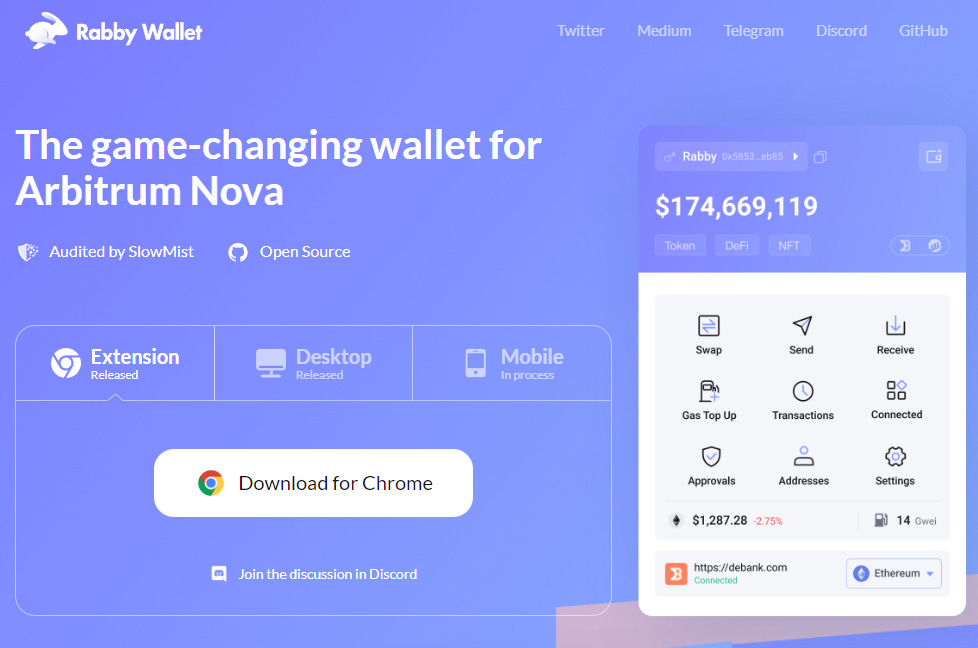
How to download Rabby and verify it safely
Download from an authoritative source like the official project page or verified browser store entry; check reviews and developer signature. If you want a quick starting point, this is the link I used when I first installed it — here. Don’t click random links in chats or social posts. Also, read the extension permissions before approving them—some permissions are reasonable, others are red flags for broad access that you may not need.
Whoa!
Permissions and phishing are the two recurring problems in DeFi. Phishing often starts with simple social engineering, a fake site that mimics a project dashboard or a clever URL typo. My instinct said “somethin’ isn’t right” the first time I almost logged into a malicious page; the UI looked nearly identical, but the domain was off by one letter. On one hand you can be paranoid and avoid productive tools; though actually there are practical mitigations like URL whitelists, browser profiles, and hardware-backed approvals that meaningfully reduce risk.
Wow!
Rabby’s session isolation helps when you’re testing unknown dapps because it prevents automatic account exposure across tabs. That isolation reduces blast radius, meaning a compromised dapp sees less of your activity. I’m not 100% sure this is foolproof—no system is—but it’s a thoughtful layer that gets the threat model right for many users. Small steps like that stack up into real security improvements over time.
Really?
If you’re a DeFi power user, consider these practices: create separate wallets for speculation vs long-term holdings, use hardware signing for chunky transfers, and maintain a burner wallet for risky airdrops or untrusted contracts. Document your recovery steps offline and practice restoration on a test browser so you won’t panic if you need to restore a wallet in a rush. These are boring tasks, but they save you from a lot of regret, trust me. Also, keep browser extensions to a minimum—each one expands the attack surface.
Hmm…
What bugs me is the inconsistency across browsers and OS updates; sometimes a feature works great in Chrome and breaks in Brave, or vice versa. That friction can cause users to sideload or install unofficial builds, which is dangerous. I’m careful to wait for official releases and to follow the project’s changelog when significant changes land. Developers are human, users are human, and somethin’ will slip sometimes—prepare for that.
FAQ
Is Rabby wallet safe for everyday DeFi use?
Yes for many users. Rabby improves transaction clarity and session isolation, which reduces common mistakes. But it’s only as safe as your environment and habits; use hardware wallets for large sums, verify sources, and never expose your seed phrase.
Where should I download Rabby?
Download from the official channels and verify the extension publisher and reviews. I linked the source I used above—check that one, and don’t trust unsolicited links. If something looks off, pause and double-check before proceeding.