

With no alcohol gumming up the works, your metabolism gets back in gear. Your liver, the unsung hero, gets a break, flushing out toxins rather than tussling with vodka shots. Sleep improves, energy soars, and before long you’re not just slimmer — you’re sharper. Dry wines, light beers, or clear spirits mixed with soda water or diet tonic tend to have fewer calories and less sugar.
Can alcohol slow down weight loss efforts?
Lowering sodium intake can reduce fluid retention and facial puffiness, and cutting back on alcohol reduces empty calories and dehydration-related swelling. Increasing fiber intake is commonly advised for weight management and may help with reducing facial fat indirectly. A common sign of overeating sodium is fluid retention (edema), which occurs because sodium causes the body to retain extra water. The reviewers noted that replacing caloric drinks with water produced the strongest effect, but more research is needed to fully understand water’s role in fat loss. Below are eight practical approaches to help reduce unwanted facial fat and create a slimmer-looking face, plus tips to help prevent fat regain over time.
What is the lowest calorie alcohol?
While no specific amount of alcohol directly causes weight gain, alcohol consumption combined with a sedentary lifestyle and poor eating habits can lead to increased body weight. The short answer is, Sobriety it can if consumed in excess and without mindfulness. The hidden calories in alcohol and its impact on metabolism and appetite can undoubtedly contribute to weight gain over time. Beer lovers should opt for light beers with 100 calorie or less, and limit the number they drink per day. Another option is to drink alcohol only on weekends, and to alternate alcoholic drinks with low-calorie, non-alcohol beverages.
You can drink and diet – it just takes longer
“Consuming too many calories — whether from alcohol, sugary foods or just a lot of extra food — can lead to extra belly fat,” Dr. Allan says. And because an average can of beer runs you more than 150 calories, it doesn’t take long for the calories (and the belly) to build. Some people say alcohol consumption causes weight gain, and others say that’s a myth. Some even say drinking alcohol actually causes a decrease in weight. Our holistic treatment programs help rebuild healthy body composition and reverse previous alcohol-related damage with the help of medications, exercise therapy, nutrition therapy, and yoga. This means that while your body is busy processing the alcohol, the nutrients and calories from solid foods are stored as fat.
Champagne or Sparkling Wine (Brut)
Moderation and vigilance with nutrition help defy the beer belly trajectory. These liquid calories add to your daily food intake, so over weeks and months of regular binge drinking, all of those unnecessary surplus calories can tip the scales and lead to obesity. According to the UK National Health Services, one gram https://ecosoberhouse.com/ of alcohol contains approximately 7 kcal/g of energy.
The relationship between alcohol and fat metabolism is alcohol metabolites make it more difficult for a person’s body to access the stored fat for energy. Therefore when it comes to body weight and alcohol, it’s important to understand how alcohol affects fat metabolism. Moderate drinkers may still lose weight, as long as they account for those liquid calories and remain in an overall caloric deficit.
It Increases Your Calorie Intake
A diet where 10% of the calories came from white wine worked just as well as a diet where 10% of the calories came from grape juice. The first diet included a glass of white wine every day and the other a glass of grape juice. In a follow-up trial, drinking two glasses of wine every night for six weeks had no effect on resting metabolic rate when it was measured under controlled conditions 5. The way your body responds to alcohol is similar to the way it deals with excess carbohydrate. Although carbohydrate can be converted directly into fat, this doesn’t happen unless you’re eating large amounts of it 2.
- This shift temporarily halts fat oxidation, potentially increasing fat storage and contributing to weight gain.
- First, as an alcoholic beverage, it reduces your feeling of fullness from solid food, leading you to eat more than usual.
- Simple and refreshing, a vodka soda delivers about 65 calories per 30g or 1 ounce serving.
- Alcohol provides about 7 calories per gram, which is almost double the calories in carbohydrates or proteins.
- If you’re on a weight loss journey, being informed can help you make better choices.
- For the average person, this suppression of fat burning can last for several hours until the alcohol has been fully processed.
For example, if you want a glass of wine with dinner, go for a half-glass rather than filling it to the brim. At The Stop Drinking Expert, we’re not just a blog or a website; we’re a movement. With our free quit drinking webinar available every day, we’ve armed thousands with the knowledge, strategies, and confidence to make that life-changing decision. Our holistic approach, combining expert advice does alcohol make you gain weight with community support, ensures that every individual’s journey is respected, understood, and nurtured.
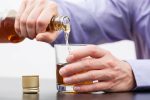
One sneaky way whiskey might contribute to weight gain isn’t just through calories or metabolism—it’s through appetite stimulation. Alcohol consumption often increases feelings of hunger and lowers inhibitions around food choices. In men, regular alcohol intake can decrease testosterone levels, a hormone involved in maintaining muscle mass and regulating fat metabolism. Lower testosterone results in decreased muscle tissue and increased fat storage over time.
This study suggests that alcohol can actually trigger hunger signals in the brain, leading to an increased urge to eat more food. There are almost 155 calories in one 12-ounce can of beer, and 125 calories in a 5-ounce glass of red wine. By comparison, a recommended afternoon snack should have between 150 and 200 calories.

Sip slowly with meals—it encourages mindful drinking and pairs well with seafood, salads, or lighter Mediterranean-inspired dishes. Some drinks simply fit better into a balanced lifestyle than others, mostly because they contain less sugar, lighter mixers, or smaller serving sizes. As such, you can find some of the lowest-calorie alcoholic drinks below. Poor sleep affects hormones such as leptin and ghrelin, which regulate hunger and satiety, potentially leading to increased appetite the next day. When you drink alcohol, your body treats it as a priority for your metabolism because alcohol can’t be stored and must be processed immediately.
Should I Stop Drinking Alcohol to Lose Body Weight?
A 2011 Dutch study revealed that heavy drinkers who consume more than 14 drinks a week have a life expectancy that is 1.3 years shorter than light drinkers. The study compared the effects of obesity, smoking, and alcohol consumption on life expectancy with disability in older adults. The results also showed that obese people with disabilities can expect to live 5.9 years longer than obese people who drink regularly. Your liver normally plays a major role in regulating carbohydrate, protein, lipid, and nutrient metabolism. When heavy drinking is involved, these metabolic functions are impaired.